Source Water Soluble Diamond Lapping Paste for Grind Polish Sand Blasting
Compare 16 listings of Water Soluble Diamond Lapping Paste from China suppliers. Buyers can evaluate particle sizes ranging from 0.25 to 60 microns, base types including water and oil, and packaging options like syringes and cartons for surface processing needs.
Key considerations
Products List


Comprehensive Sourcing Guide
Water Soluble Diamond Lapping Paste Sourcing Guide
Sourcing Water Soluble Diamond Lapping Paste requires a nuanced understanding of both the abrasive material properties and the carrier fluid dynamics. This specialized compound combines high-hardness diamond particles with a water-based base, offering a versatile solution for precision surface processing. Unlike oil-based alternatives, water-soluble pastes provide easier cleanup and reduced environmental impact, making them increasingly popular in industries where hygiene and rapid post-processing are critical. Buyers must carefully evaluate the balance between the abrasive concentration and the viscosity of the carrier to ensure optimal material removal rates without compromising surface finish quality.
The procurement landscape for these materials is characterized by a wide range of product variations, from standard industrial grades to highly customized formulations. Suppliers often offer multiple particle size distributions, typically ranging from coarse grits for initial grinding to ultra-fine powders for final polishing. Understanding the specific application requirements, such as the hardness of the workpiece and the desired surface roughness, is essential for selecting the correct product. This guide outlines the key technical, commercial, and quality assurance factors that buyers should consider when sourcing Water Soluble Diamond Lapping Paste to ensure consistent performance and supply chain reliability.
Product Scope and Observed Listing Signals
The market for diamond lapping paste presents a diverse array of products, with observed listings indicating a broad spectrum of specifications and packaging options. Buyers will encounter products labeled with various model numbers, such as Xinrui-Paste or generic descriptors like MONO POLY, which often correspond to specific particle size distributions or base formulations. The observed price range is significant, reflecting differences in diamond purity, particle size uniformity, and packaging volume. It is crucial to distinguish between raw diamond powder and pre-mixed pastes, as the latter offers immediate usability but requires careful verification of the suspension stability and base compatibility.
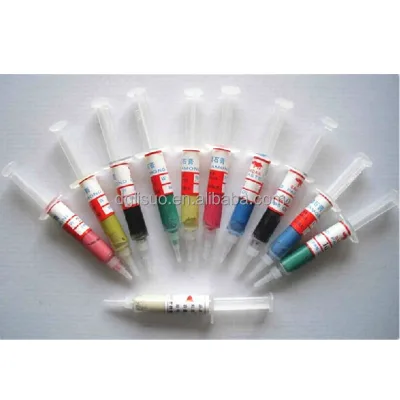
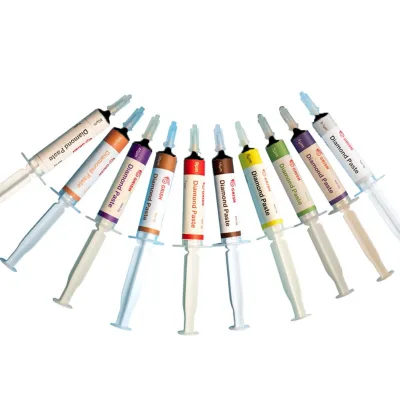
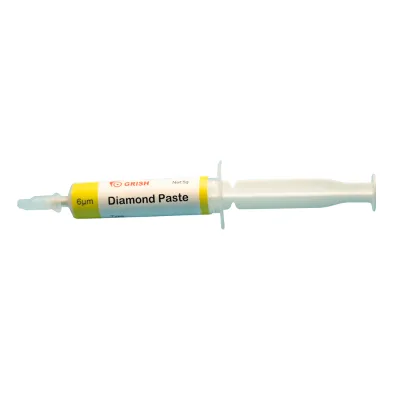
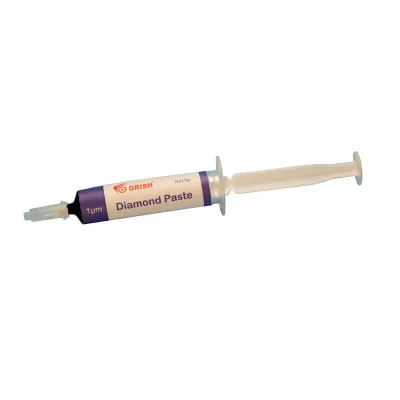
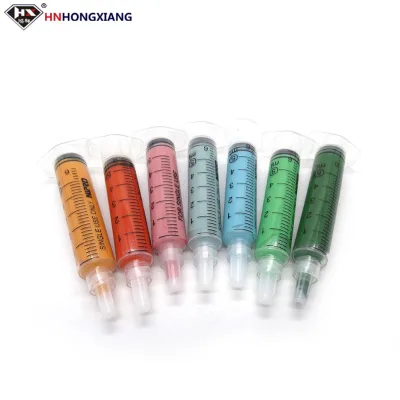
Packaging and presentation vary widely, with common formats including syringe tubes, plastic bottles, and bulk cartons. Standard package weights observed in listings include 5g, 10g, 20g, and 50g units, catering to both laboratory testing and high-volume production needs. Some suppliers offer customized packaging solutions, allowing buyers to tailor the quantity and container type to their specific operational workflows. The presence of color options, such as white, yellow, or red, may serve as visual indicators for different grit sizes or base types, aiding in quick identification during the application process. Buyers should verify whether the color coding is standardized across suppliers or if it is a proprietary system that requires additional documentation.
Technical Specifications to Verify
Particle size distribution is the most critical technical parameter for diamond lapping paste, directly influencing the material removal rate and final surface finish. Suppliers may list standard size ranges, such as 0.05um to 60um or 0.25 to 50 Micron, but buyers must confirm the actual median particle size and the uniformity of the distribution for their specific application. Coarser particles are suitable for aggressive grinding and stock removal, while finer particles are essential for achieving mirror-like finishes. It is advisable to request detailed particle size analysis reports to ensure that the paste meets the precision requirements of the workpiece, particularly when dealing with hard materials like ceramics, glass, or semiconductors.
The base formulation of the paste, whether water-based or oil-based, determines its compatibility with the workpiece and the downstream cleaning process. Water-soluble pastes are preferred for applications where easy cleanup and environmental compliance are priorities, but they may require specific additives to prevent corrosion or ensure stable suspension. Buyers should verify the pH level, viscosity, and stability of the water-based carrier to prevent settling or separation during storage and use. Additionally, the purity of the diamond powder, often cited as 99.9%, should be confirmed through independent testing, as impurities can affect the cutting efficiency and potentially contaminate sensitive components.
Compliance and Safety Documentation
Safety data sheets (SDS) are mandatory for all chemical and abrasive products, providing critical information on handling, storage, and emergency procedures. Buyers must ensure that suppliers provide up-to-date SDS documents that comply with local regulations, such as GHS standards, to guarantee safe usage in the workplace. The SDS should detail the hazards associated with diamond dust inhalation and the specific chemical components of the water-soluble base, including any potential irritants or allergens. Proper personal protective equipment (PPE) recommendations, such as respirators and gloves, should be clearly outlined to minimize health risks during application and cleanup.
Environmental compliance is another key consideration, particularly for water-soluble pastes that may contain surfactants or other additives. Buyers should verify that the product meets relevant environmental regulations regarding wastewater discharge and disposal. Some suppliers may hold ISO 9001 certification, indicating a commitment to quality management systems, but this does not automatically imply environmental compliance. It is essential to inquire about the biodegradability of the carrier fluid and any restrictions on the use of certain chemicals in the formulation. Ensuring that the product aligns with corporate sustainability goals can help avoid regulatory penalties and enhance brand reputation.
Cost Drivers and Commercial Terms
The cost of diamond lapping paste is influenced by several factors, including the grade and purity of the diamond powder, the particle size distribution, and the volume of the order. High-purity synthetic diamonds, particularly those with narrow size distributions, command a premium price due to the complex manufacturing process involved. Buyers should expect a wide range of prices, reflecting the diversity of product qualities and supplier positioning. It is important to evaluate the total cost of ownership, which includes not only the unit price but also the efficiency of material removal and the frequency of paste replacement. Higher-quality pastes may offer better economic efficiency in the long run by reducing processing time and improving yield.
Minimum order quantities (MOQ) and lead times are significant commercial terms that affect procurement planning. Observed MOQs can range from single pieces for sampling to larger quantities for bulk production, allowing buyers to test products before committing to large orders. Lead times typically range from a few business days to several weeks, depending on the supplier's inventory and production capacity. Buyers should negotiate clear terms regarding payment methods, shipping responsibilities, and return policies for defective products. Understanding these commercial dynamics helps in building a resilient supply chain that can adapt to fluctuating demand and production schedules.
Supplier Qualification and Quality Control
Supplier qualification is a critical step in ensuring the reliability and consistency of diamond lapping paste supplies. Buyers should verify the supplier's manufacturing capabilities, including their ability to produce high-hardness diamond abrasives and formulate stable pastes. Certifications such as ISO 9001 can provide assurance of a robust quality management system, but buyers should also conduct on-site audits or request third-party quality reports to validate the supplier's claims. It is important to assess the supplier's track record in the industry, including their experience with similar applications and their ability to provide technical support.
Quality control measures should be implemented throughout the supply chain, from raw material sourcing to final packaging. Buyers should request batch-specific test reports that include particle size analysis, purity levels, and viscosity measurements. Consistency between batches is crucial for maintaining stable production processes, so suppliers should demonstrate their ability to control variations in product quality. Additionally, buyers should establish clear acceptance criteria and inspection protocols for incoming materials. Regular communication with the supplier regarding performance feedback can help identify and resolve any quality issues promptly, ensuring continuous improvement and supply chain stability.
Long-Term Procurement Checks
Long-term procurement success depends on the ability to monitor and adapt to changes in product performance and market conditions. Buyers should establish a system for tracking the performance of different lapping paste formulations, including metrics such as material removal rate, surface finish quality, and consumption rate. This data can help identify the most cost-effective and efficient products for specific applications, guiding future purchasing decisions. Regular reviews of supplier performance, including delivery reliability and technical support responsiveness, are essential for maintaining a strong partnership and ensuring consistent supply.
Market trends and technological advancements in abrasive materials may introduce new products or formulations that offer improved performance or lower costs. Buyers should stay informed about these developments and evaluate their potential impact on their procurement strategy. Engaging with suppliers to discuss future product roadmaps and customization options can help anticipate changes and secure competitive advantages. Additionally, buyers should consider the environmental and regulatory landscape, as increasing scrutiny on chemical usage and waste disposal may influence product selection and supplier choices. Proactive management of these factors will help ensure that the procurement of Water Soluble Diamond Lapping Paste remains aligned with business objectives and operational needs.
FAQs
What is the typical size range for diamond lapping paste?
The product size ranges from 0.25 to 50 microns, with some specifications covering 0.05 to 60 microns. This range supports various grinding and polishing applications for different workpiece hardness levels.
Can I find customized diamond lapping paste options?
Customization is available for this product, allowing buyers to specify unique requirements. Some listings also offer non-customized standard options depending on the specific supplier and model selected.
What packaging formats are available for diamond paste?
Packaging options include syringes, boxes, cartons, and plastic bags. Specific weights like 5g, 10g, 20g, and 50g are commonly offered to suit different usage volumes and project scales.
Which base types are used in diamond lapping paste?
The paste is available with water or oil bases to suit different processing needs. These bases ensure stable polishing rates and effective surface processing for various industrial applications.
What is the minimum order quantity for this product?
The minimum order quantity starts at 1 piece, making it accessible for small-scale testing. Larger orders up to 1000 pieces are also supported by various suppliers in the market.
How long is the delivery time for diamond paste?
Delivery typically takes 3 to 5 business days for standard orders. This lead time ensures quick availability for urgent production needs while maintaining quality standards.
What certifications do diamond lapping paste suppliers hold?
Suppliers often hold ISO9001 certification to ensure quality management standards. This certification indicates a commitment to consistent product quality and reliable manufacturing processes for industrial buyers.
Where is the diamond lapping paste manufactured?
The product originates from China, specifically the Henan region. This location is a known hub for diamond powder production and processing facilities serving global industrial markets.